
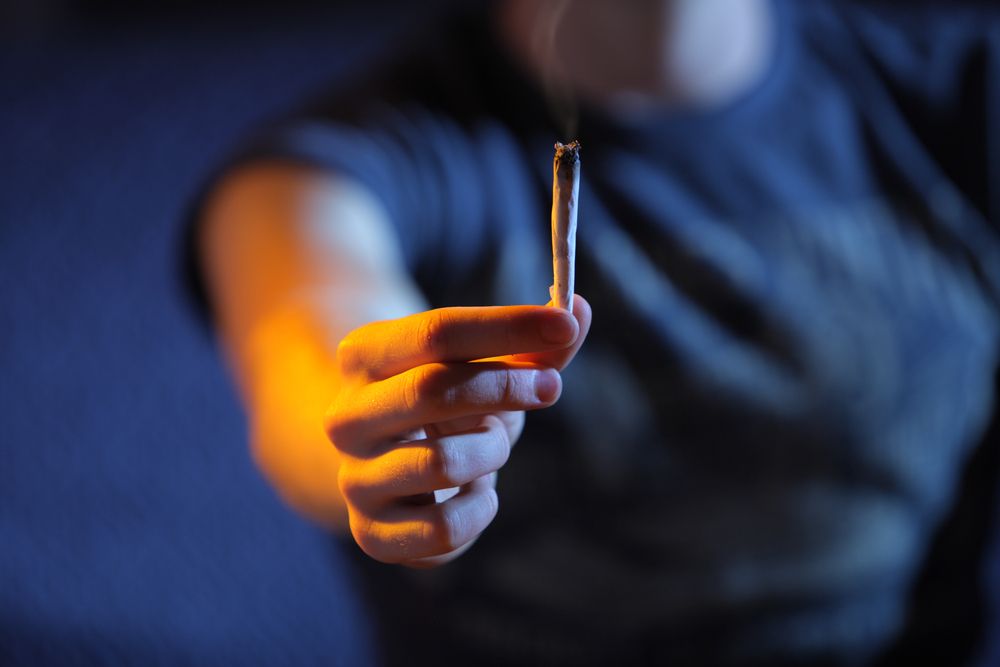
Marijuana has a reputation as the safe drug. It is legal for medical use in Florida and for recreational use in many other states, and plenty of people use it without major problems. That reputation makes it easy to miss when use starts to become something more.
The truth is that marijuana can be addictive. We see people who started using to relax or sleep and now feel like they cannot get through a day without it. Here is how to tell the difference between casual use and a real problem, and what help looks like.
Cannabis Use Disorder Signs
Cannabis use disorder is the clinical term for problematic marijuana use. It is not about how often someone uses so much as what that use is doing to their life. Common signs include using more or for longer than intended, trying to cut back and not being able to, spending a lot of time getting, using or recovering from marijuana, and cravings.
Other warning signs include falling behind at work or school, giving up activities that used to matter, continuing to use even when it causes problems in relationships, needing more to get the same effect and using in situations where it is risky, like before driving. If several of these sound familiar, it is worth taking a closer look.
Why Today’s Marijuana Is Different
The marijuana available today is much stronger than it was a few decades ago. THC levels in flower have risen sharply, and concentrates, vapes, dabs and edibles can be far more potent still. Higher potency is linked with a greater risk of dependence, and in some people with anxiety, panic and even psychosis.
Many people also use marijuana to manage anxiety, depression, trauma or sleep problems. It may help in the short term, but it can make those symptoms worse over time and get in the way of treatment that addresses the real issue. When mental health and substance use are tangled together, a dual diagnosis program treats both at the same time.
Marijuana Withdrawal Symptoms
A lot of people are surprised to learn that marijuana withdrawal is real. It is not usually dangerous the way alcohol withdrawal can be, but it can be uncomfortable enough to send people right back to using.
Symptoms often include irritability, anxiety, restlessness, trouble sleeping, vivid dreams, low appetite, low mood and strong cravings. They usually start within a day or two of stopping, peak in the first week and ease over a couple of weeks, although sleep problems can last longer. Knowing what to expect and having support during this stretch makes it much easier to get through.
Cannabis Hyperemesis Syndrome
One complication that has become more common is cannabis hyperemesis syndrome. It affects some long-term, heavy users and causes repeated episodes of severe nausea, vomiting and abdominal pain. Many people find that hot showers or baths bring temporary relief, which is a telltale sign.
The condition can lead to dehydration and repeated emergency room visits. The only reliable treatment is stopping marijuana use, which is often the moment people realize how hard that has become.
Treatment for Marijuana Addiction
There is no medication approved specifically for cannabis use disorder, but treatment works. Therapies like cognitive behavioral therapy and motivational interviewing help people understand why they use, build new ways of coping with stress and sleep, and plan for situations that trigger cravings. Treating underlying anxiety, depression or trauma is often a key part of lasting change.
Recovery from marijuana also involves rebuilding the parts of life that use crowded out. That can mean finding new ways to unwind at night, getting sleep back on track without a substance, reconnecting with friends who do not use and filling the time that used to go to getting high. These changes take practice, and having a team to work through them with makes a real difference.
Family members often notice the problem before the person using does. If you are worried about someone you love, approach them with concern rather than judgment, and focus on specific changes you have seen. Our team can also help families understand how to support a loved one without enabling continued use.
Not everyone needs an intensive program. Some people do well with outpatient addiction treatment while they keep working and living at home. Others need more structure, like an intensive outpatient program, especially when marijuana is used alongside other substances or mental health symptoms are severe.
If marijuana has started to take more from your life than it gives, you do not have to figure it out alone. At Delray Center for Recovery, we will help you understand what is going on and find the level of care that fits. Learn more about our addiction program, contact us to talk with our team, or visit our home page.