
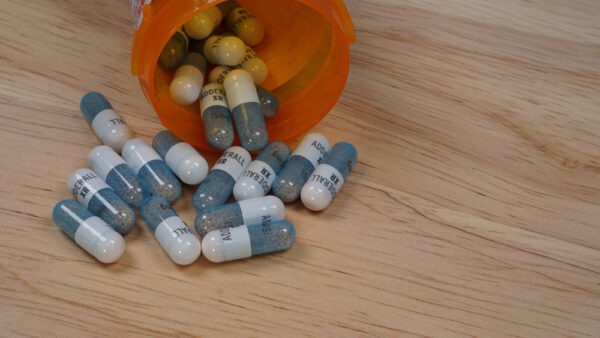
It usually starts as something reasonable. A prescription that worked well for a year stops covering the afternoon, so you take an extra half. A deadline week turns into a deadline month, and a friend offers you a few of theirs to get through it. You’re not buying anything off the street. There’s a pharmacy label involved somewhere in the chain, and that detail makes the whole thing feel different from what people picture when they hear the word addiction.
Adderall addiction rarely announces itself. It builds inside a routine that looks productive, and the people who develop it are often high performers whose lives appear to be working right up until they aren’t.
What Prescription Stimulant Misuse Actually Looks Like
Adderall is an amphetamine. So is Vyvanse. Ritalin and Concerta are methylphenidate, a related stimulant with a similar risk profile. All of them are Schedule II controlled substances, the same classification as oxycodone and morphine, because the potential for dependence and misuse is well established.
Misuse covers a wider range of behavior than most people assume. It includes taking a higher dose than prescribed, taking doses more often than prescribed, using a prescription written for someone else, using the medication for something other than its intended purpose, and altering the pills by crushing, snorting, or dissolving them to speed up the effect.
That third category, using someone else’s prescription, is the most common entry point for adults. College students pass pills around for exams. Professionals get them from coworkers during crunch periods. Parents borrow from their child’s prescription to keep up. The exchange feels informal and low-stakes because the substance came from a doctor, just not from your doctor.
There’s also a form of misuse that stays entirely within a legitimate prescription. Someone diagnosed with ADHD, prescribed appropriately, gradually starts taking more than directed. They run out early each month, ask for early refills, supplement from other sources, and reorganize the day around when the next dose is due. Nothing about that pattern requires an illicit purchase, and it still meets the clinical definition of a problem.
Why Adderall Is So Easy to Misuse
Stimulants work. That’s the honest starting point, and it’s why misuse escalates so quietly. Amphetamines increase dopamine and norepinephrine activity, which sharpens focus, elevates mood, suppresses appetite, and pushes back fatigue. For someone drowning in work, that combination feels like competence rather than intoxication.
Tolerance builds, though, and it builds faster than most people expect. The dose that produced clear-headed focus in month one produces less in month eight. The natural response is to take more, and the increase feels justified because the original goal was never recreational. This is where a lot of people cross from use into misuse without ever making a decision to do so.
The cultural context matters too. In performance-driven environments, stimulant use gets framed as an edge rather than a risk. Long hours, thin margins for error, and the expectation of constant output make a pill that delivers six more productive hours look like a tool. Very few people who end up in treatment for stimulant use disorder started out chasing a high. Most started out chasing a deadline.
Signs of Adderall Addiction
Stimulant use disorder shows up across physical, behavioral, and psychological categories. A few of these on their own may mean little, but together they form a recognizable pattern:
- Needing steadily higher doses to get the same effect
- Running out of a prescription early, month after month
- Taking pills to function normally rather than to perform better
- Doctor shopping, or getting the same prescription from more than one provider
- Buying pills from friends, coworkers, or online sources
- Sharp weight loss and loss of appetite
- Insomnia, or relying on alcohol, cannabis, or benzodiazepines to come down and sleep
- Irritability, agitation, or a much shorter temper
- Anxiety, paranoia, or racing thoughts that weren’t there before
- Rapid heartbeat, elevated blood pressure, chest tightness
- Dental problems and jaw clenching
- Crashing hard when the medication wears off, then dreading the crash
- Feeling unable to work, socialize, or handle basic tasks without taking a dose first
- Hiding how much you’re taking from a partner, a doctor, or both
That last one tends to be the clearest internal signal. When the amount stops being something you’d say out loud to your prescriber, the relationship with the medication has changed.
Dependence and Addiction Aren’t the Same Thing
This distinction matters more with prescription stimulants than with almost any other substance, because a lot of people taking Adderall exactly as directed are physically dependent on it.
Physical dependence means the body has adapted to a substance and produces withdrawal symptoms without it. Someone with ADHD who takes a stable, prescribed dose for years may feel foggy, tired, and unfocused during a break from the medication. That’s dependence, and by itself it isn’t addiction or a reason for alarm. Plenty of medications produce it.
Addiction, or stimulant use disorder in clinical language, involves compulsive use that continues despite harm. The markers are loss of control over the amount, escalating doses, time and energy spent obtaining the drug, and continued use even after it’s damaged your health, work, or relationships. Our post on the difference between dependence and addiction goes deeper into where that line sits.
The practical takeaway: needing your prescription isn’t the problem. Losing control of how much you take, and hiding it, is.
The Health Risks People Underestimate
Because Adderall arrives in a pharmacy bottle, its risks get discounted. They shouldn’t be.
Cardiovascular strain is the most immediate concern. Stimulants raise heart rate and blood pressure, and at high or frequent doses that strain accumulates. Arrhythmias, cardiomyopathy, stroke, and heart attack have all been documented in stimulant misuse, including in young adults with no prior cardiac history.
Sleep deprivation compounds everything else. Stimulants suppress sleep, poor sleep worsens mood and cognition, and the natural fix becomes another dose in the morning. Many people at this stage add alcohol or a benzodiazepine at night to force sleep, which creates a second dependence layered on top of the first.
At high doses, or after extended periods without sleep, stimulants can produce paranoia, hallucinations, and stimulant-induced psychosis. This is more common than most patients realize and it resolves with sustained abstinence in most cases, though it can be frightening enough to require emergency care.
There’s also a newer risk that changes the calculation for anyone buying pills outside a pharmacy. Counterfeit pills pressed to look like Adderall have been found to contain methamphetamine or fentanyl, and the DEA has issued repeated public warnings about this. A pill that looks pharmaceutical offers no guarantee about what’s in it.
Adderall Withdrawal and the Crash
Stimulant withdrawal isn’t medically dangerous the way alcohol or benzodiazepine withdrawal can be. Nobody has a seizure from stopping Adderall. What makes it hard is how psychologically brutal it feels.
The early phase, often called the crash, brings overwhelming fatigue, long stretches of sleep, increased appetite, and a flattened mood. Then comes a longer period of low motivation, difficulty concentrating, and anhedonia, meaning nothing feels rewarding. Cravings tend to peak during this window, and the emotional low can last for weeks.
Depression during stimulant withdrawal is common, and in some people it includes thoughts of suicide. That symptom deserves immediate clinical attention rather than waiting it out alone. The 988 Suicide and Crisis Lifeline is available by call or text at any hour.
The cruelty of the timeline is that the withdrawal symptoms look exactly like the problems Adderall was solving: no focus, no energy, no motivation. It’s easy to interpret that as proof you can’t function without the medication, when what’s actually happening is a brain recalibrating its dopamine system. Understanding that difference, ideally with clinical support, is often what determines if someone gets through the first month.
How Stimulant Use Disorder Is Treated
There’s no FDA-approved medication for stimulant use disorder the way buprenorphine exists for opioids or naltrexone for alcohol. Treatment is built on structured behavioral care, and the evidence behind that approach is solid.
Structured outpatient programming provides the accountability that early stimulant recovery requires, particularly during the weeks when motivation is chemically depleted. Our outpatient addiction treatment and higher levels of care let people stay in their lives and keep working while getting daily clinical structure. If you’re unsure which level fits, our breakdown of PHP vs. IOP walks through the differences.
Dialectical Behavior Therapy forms the foundation of our clinical model, and it fits stimulant recovery well. Distress tolerance skills give people something concrete to do with a craving besides act on it, and emotion regulation work addresses the mood volatility that runs through both the misuse and the withdrawal.
The dual diagnosis question is central here and often gets skipped. Many adults misusing stimulants have genuine, untreated ADHD, and treating the substance use without addressing the underlying attention disorder leaves the original problem intact. Others are self-treating depression, anxiety, or the aftermath of trauma. Some are managing all of it while also drinking heavily to sleep. Dual diagnosis treatment addresses the substance use and the psychiatric condition together, which produces better outcomes than treating either one alone.
For patients who do have ADHD, a psychiatrist can work through non-stimulant medication options and, in some cases, carefully monitored stimulant use with tighter controls. That decision belongs in a clinical conversation, not a self-assessment.
Getting an Honest Assessment
If you’ve been quietly counting pills, moving refill dates around, or promising yourself you’ll taper after this next project, an evaluation will tell you more than another month of self-monitoring will. Plenty of people who come in expecting to hear the worst learn instead that what they’re dealing with is manageable, and that they can address it without stepping away from work or family.
The Delray Center for Recovery has treated addiction and co-occurring psychiatric conditions in Delray Beach since 2006, using outpatient programs built around real schedules. Contact us for a confidential conversation about what’s going on and what treatment could look like.