
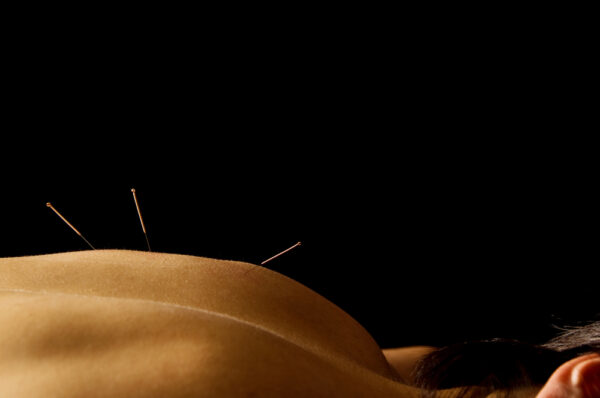
Addiction recovery is often described in terms of willpower, accountability, and clinical treatment, all of which are real and necessary. What is less often discussed is the role of the body in recovery, and how the physical experience of early sobriety can either support or sabotage the work happening in therapy and medication management. Acupuncture and massage are two of the body-focused tools that, when used as part of a comprehensive treatment plan, can meaningfully change the trajectory of recovery for many patients.
At Delray Center for Recovery, acupuncture and massage are not afterthoughts or optional perks. They are integrated into our treatment philosophy because we have seen, over more than two decades of clinical practice, that recovery happens faster and holds more durably when the body is treated alongside the mind. This is part of what makes our integrative approach different from programs that treat addiction as a purely cognitive or behavioral problem.
Why the Body Matters in Addiction Recovery
Active addiction is hard on the body. Sleep is disrupted. Nutrition collapses. Muscle tension accumulates. The nervous system spends months or years in a state of either chemical override or chemical withdrawal, and by the time someone enters treatment, their body is often as depleted as their mind. The first weeks of recovery, when the substance is gone, but the body has not yet recalibrated, can be intensely uncomfortable in ways that pure talk therapy cannot address.
This is where the physical interventions earn their place. Sleep does not improve through insight. Chronic muscle tension does not release through cognitive reframing. The nervous system needs direct, physical input to settle into a regulated state, and the patients who get that input alongside their clinical care tend to feel meaningfully better, sooner, than those who do not.
The discomfort of early recovery is also one of the most common triggers for relapse. When the body feels intolerable, the mind starts looking for relief, and the substance that previously provided that relief becomes harder to refuse. Reducing physical discomfort is therefore not just about comfort. It is about removing one of the most reliable pathways to relapse.
How Acupuncture Supports Addiction Recovery
Acupuncture has been used in addiction treatment for decades, with the auricular protocol developed by the National Acupuncture Detoxification Association (NADA) emerging as one of the most studied applications. The protocol involves the insertion of fine needles at specific points in the outer ear, and it has been used in treatment programs around the world for support during withdrawal, craving management, and long-term recovery.
The mechanism is not fully mapped in Western medical terms, but the observed effects are consistent. Patients report reduced cravings, improved sleep, lower anxiety, and a greater sense of calm during and after sessions. The autonomic nervous system, which is often in a sustained sympathetic state during early recovery, appears to shift toward parasympathetic activity in response to acupuncture, which corresponds to the felt experience of settling and relaxation.
Acupuncture is also non-pharmacological, which matters in addiction treatment. Many patients in recovery are wary of relying on medications for relief, particularly those with histories of misusing prescription drugs. Acupuncture offers a tangible intervention that addresses real symptoms without introducing a new substance into the equation.
In our clinical experience, acupuncture is particularly useful during the early weeks of treatment, when withdrawal symptoms or post-acute withdrawal effects are at their most disruptive. Patients in our Phoenix Partial Hospitalization Program and Intensive Outpatient Program often describe acupuncture sessions as one of the parts of their day that they actively look forward to, and that engagement matters in a phase of treatment when motivation can be fragile.
How Massage Supports Addiction Recovery
Massage operates on a different mechanism but addresses many of the same underlying issues. Sustained substance use leads to chronic muscle tension, postural distortions, and a disconnection from physical sensation that can persist long after the substance is gone. Massage therapy directly addresses these physical residues of addiction while also providing benefits that are more difficult to quantify but easy to feel.
The release of muscular tension is often the most immediate effect. Patients who have carried their stress in their shoulders, jaw, and back for years can experience a depth of physical relief during massage that they have not felt in a long time. That release is not just pleasant. It is often the first sustained period of physical comfort someone has experienced in active addiction, and it reminds the body that it is capable of feeling good without the substance.
Massage also supports the nervous system in similar ways to acupuncture. Parasympathetic activation, reduced cortisol, lower heart rate, and improved sleep quality are all documented effects of regular massage therapy. For patients whose autonomic nervous systems have been hijacked by years of substance use, these physiological shifts are part of the longer process of returning the body to a baseline that can sustain sobriety.
There is also a psychological dimension worth naming. Many patients in recovery have spent years numbed to physical sensation or using their bodies in ways that ignored their own needs. Massage, conducted in a professional therapeutic setting, helps rebuild a healthy relationship with physical touch and bodily awareness. For patients with trauma histories, this can be a meaningful part of recovery, though it requires the right clinical context and sensitivity from the practitioner.
Where Acupuncture and Massage Fit Into Our Clinical Model
It is important to be clear about what acupuncture and massage are and are not. They are not standalone treatments for addiction. They do not replace the clinical work of psychiatric care, individual therapy, group therapy, or the structured programming of PHP and IOP. What they do is amplify the effectiveness of that core treatment by reducing the physical barriers to engagement and recovery.
At Delray Center for Recovery, our foundation is Dialectical Behavior Therapy. DBT teaches the skills that prevent relapse and address the co-occurring conditions that frequently drive substance use: depression, anxiety, personality disorders, and trauma. Acupuncture and massage support the DBT work in concrete ways. A patient whose body is settled and rested can engage more fully in skills training. A patient whose nervous system has been calmed by an acupuncture session is more capable of practicing distress tolerance when a craving arises later in the day.
The clinical team approach we use means that the therapists, psychiatrists, and complementary providers are coordinating around each patient’s plan rather than operating in silos. If a patient is struggling with sleep, our team can deploy a combination of medication adjustment, behavioral changes, and increased frequency of body-based interventions to address it. If anxiety is spiking during a particular phase of treatment, the acupuncture and massage schedule can shift to provide more support during that period.
How the Holistic Tools Work Together
Acupuncture and massage are part of a broader integrative model that also includes fitness, nutrition, vitamin therapy, meditation, and yoga. Each of these elements addresses a different dimension of the physical and emotional recovery process, and they reinforce each other in ways that improve overall outcomes.
Nutrition therapy restores the depleted physical systems that years of substance use have compromised. Vitamin therapy addresses specific deficiencies that commonly occur in addiction. Fitness rebuilds the cardiovascular health, muscular strength, and energy levels that recovery requires. Meditation and yoga teach the kind of body-mind integration that supports sustained sobriety. Acupuncture and massage support all of these by keeping the nervous system regulated and the body engaged with treatment.
This is the integrative philosophy that Dr. Rodriguez built our practice around. It is not about adding spa-like amenities to addiction treatment. It is about recognizing that the body is part of the recovery, and that treating it well makes the clinical work more effective.
Who Benefits Most From Acupuncture and Massage in Recovery
Almost every patient in our programs benefits from these interventions, but some patient groups see particularly strong responses. Patients in early withdrawal or post-acute withdrawal often experience significant relief from physical symptoms that are otherwise difficult to manage. Patients with co-occurring anxiety disorders frequently report that acupuncture and massage are the most consistent sources of calm in their treatment week. Patients with trauma histories who are working through somatic dimensions of their recovery often find massage particularly meaningful when introduced thoughtfully.
Patients with co-occurring eating disorders, depression, or chronic pain also tend to respond well. The body-based interventions complement the psychiatric and therapeutic work in ways that address dimensions of these conditions that talk therapy alone does not reach.
Patients in our Dual-Diagnosis Program often see the most dramatic compounding benefits because their recovery requires simultaneous attention to addiction and a co-occurring psychiatric condition, and the calming, regulating effects of acupuncture and massage support both treatment tracks at once.
What to Expect From Acupuncture and Massage in Treatment
Patients sometimes arrive at treatment with no experience of either acupuncture or massage and feel uncertain about what to expect. The sessions take place in our clinical setting with practitioners who specialize in working with addiction recovery patients. Acupuncture sessions typically involve a quiet, restful experience with needles placed at specific points and a period of relaxation that follows. Massage sessions are conducted with appropriate clinical professionalism and adapted to each patient’s preferences and history.
Patients do not have to commit to a particular approach before trying it. The clinical team helps each patient figure out what supports their recovery most effectively, and the schedule of acupuncture, massage, and other complementary interventions evolves as the treatment progresses.
If you or a loved one is considering treatment for addiction or alcoholism, the integrative model at Delray Center for Recovery offers something that purely clinical programs cannot. The combination of DBT-based therapeutic care, advanced psychiatric treatment, structured PHP and IOP programming, and body-focused interventions like acupuncture and massage gives patients a complete framework for recovery that addresses every dimension of the condition.
To learn more about our programs or to discuss whether our approach is the right fit for your situation, contact us or call 888-699-5679. Our team is available 24/7 with complete confidentiality. You can also explore our services or learn more about our philosophy to get a fuller picture of how we work. Recovery is possible, and the path forward is more comfortable, more sustainable, and more effective when the whole person is treated together.